


How conversations with patients, carers and healthcare professionals are helping us to shape our research in learning disability
- Posted:
- Written by:
-
- Orla MacDonald
- Categories:
We’re planning a new OpenSAFELY project to better understand why people with a learning disability and epilepsy experience poorer health outcomes, including avoidable deaths.
Using GP records, we’re hoping to identify factors that might influence mortality, such as the prescription of a particular medicine, or the diagnosis of particular conditions that might be linked to poorer health outcomes. This will help inform future research and health services.
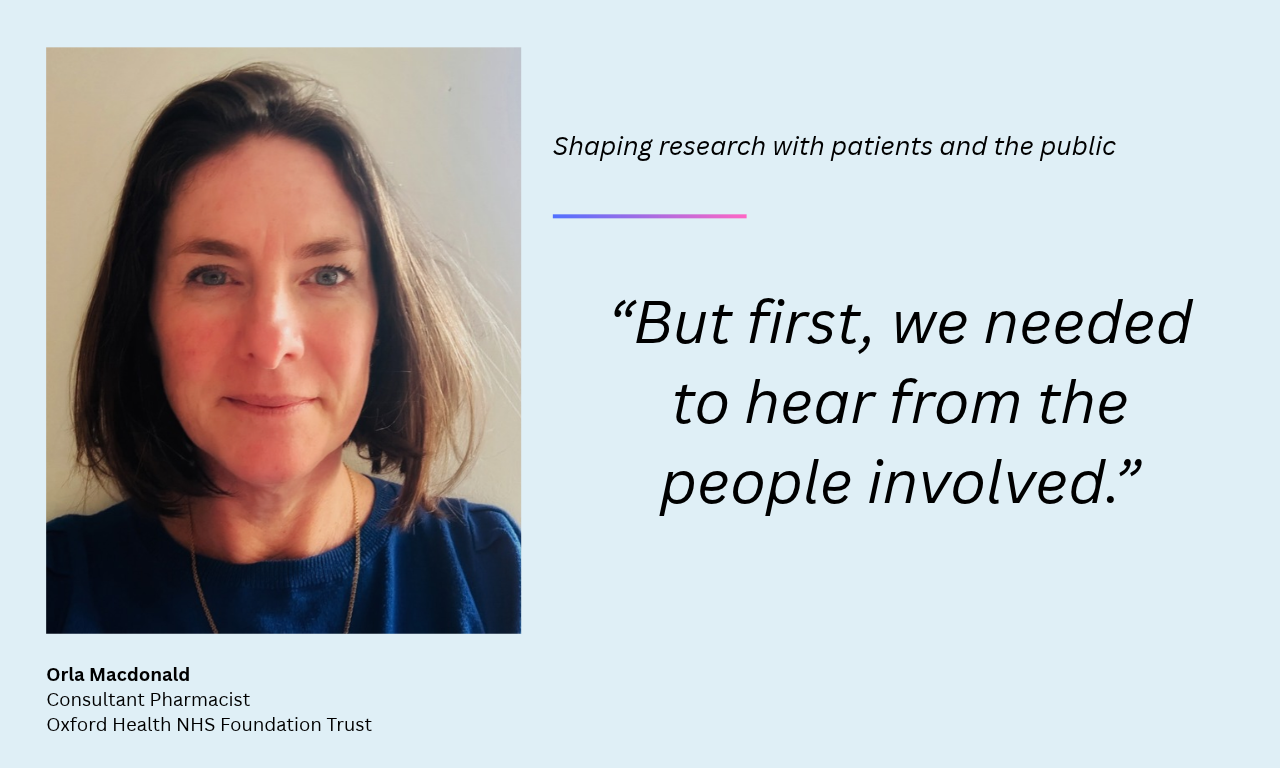
But first, we needed to hear from the people involved.
Shaping the research with patients, carers, and healthcare professionals
With support from the Cornwall Intellectual Disability and Epilepsy Research group, we held a Patient and Public Involvement & Engagement (PPIE) event in Cornwall.
During the event, we asked patients and their carers what they thought contributed to poorer outcomes within their population, and what challenges we might face when using GP records to do this research.
We also spoke to professionals who treat people with a learning disability, including psychiatrists and GPs. We asked them what factors they felt were important to include within our research, and what key information we might find in GP records and what we might not find.
What did we learn?
People with a learning disability and their families and carers are more concerned about quality of life than life expectancy.
They did not want us to just focus our research outcomes on mortality and life expectancy without considering whether an intervention, such as a medicine, improved their quality of life.
Patients and their families and carers feel that GPs do not always have a comprehensive history of their health events, including a full history of their diagnoses, interventions and even their medicines.
There was also a concern raised about ‘diagnostic overshadowing’, where the wrong diagnosis is made because of the person’s learning disability, especially where they had poor communication skills and didn’t have a family member or close carer to advocate for them. This is an important limitation to consider within our project and we will need to be careful about how we make conclusions about recorded diagnosis in GP records.
Patients and their families experience a wide range of barriers that affect their access to healthcare.
Barriers include poor communication between teams and with patients, stigma that prevents families from seeking diagnosis or accessing care and the need for more unusual treatments, such as liquid medicines, which have an increased risk of shortages. Some of these challenges might contribute to poorer outcomes for these patients, so we need to bear this in mind when making our conclusions.
These conversations highlighted several clinical areas that we can explore within GP records and might want to include within our research. They also pointed out others that we had included within our protocol that they felt were less important.
Overall, the session demonstrated the hugely valuable wisdom that can be gained by engaging with patients during the development of a research protocol. We look forward to engaging with them again when it comes to seeking guidance about how to disseminate and implement our findings. And most importantly, the work is just beginning.